


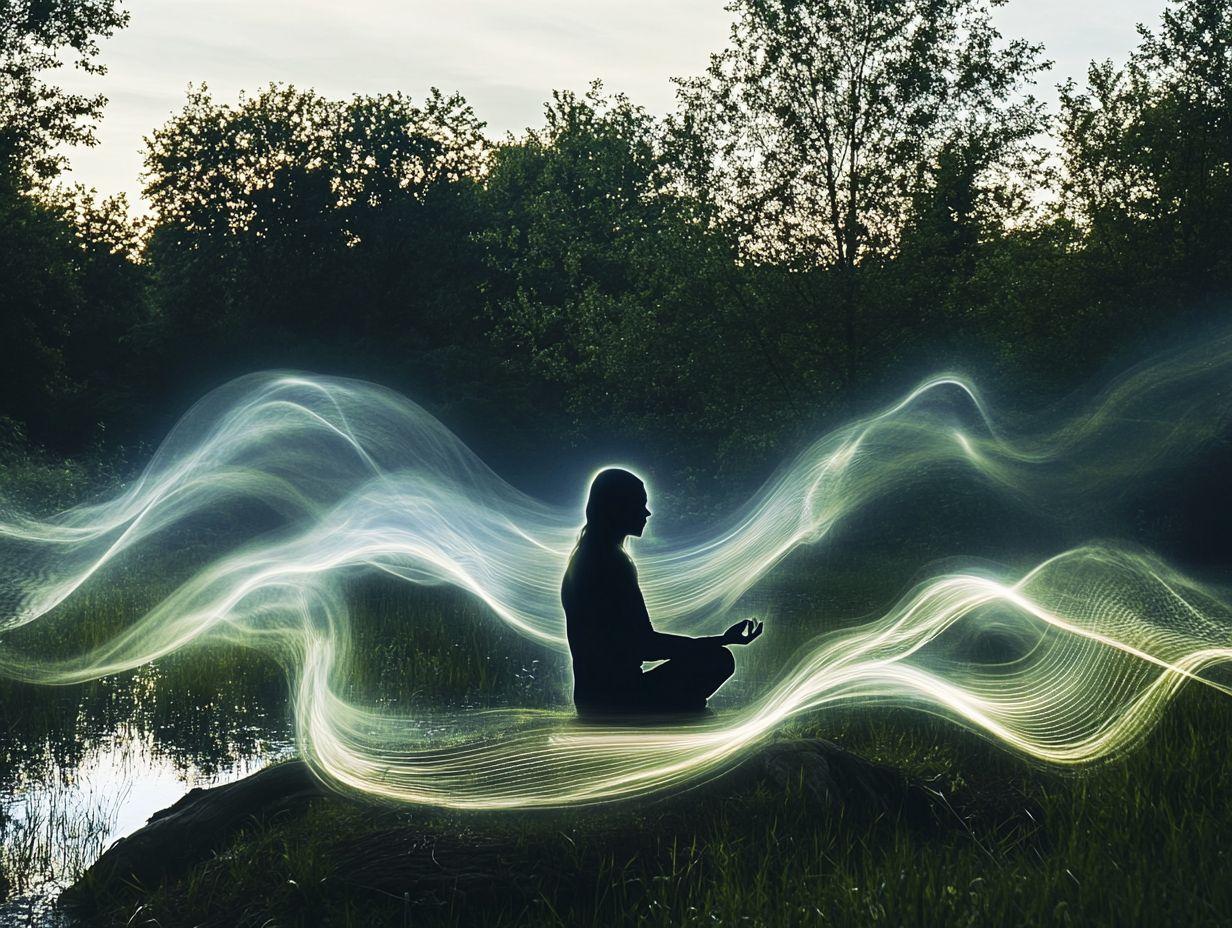
🌍 What is Grounding?
Grounding — also known as earthing — is the practice of making direct physical contact with the Earth's surface to absorb its natural electrical energy. When you walk barefoot on grass, soil, or sand, your body connects with a subtle but powerful charge of electrons that may reduce inflammation, ease pain, improve sleep, and support overall wellbeing. It is one of the simplest, most natural health practices available to anyone.
🔌 Why Are Most People Disconnected from the Earth?
Unlike our ancestors (and every other living creature on the planet), modern humans spend almost no time in direct contact with the ground. We wear rubber-soled shoes, live in elevated buildings, and work indoors on insulated floors. This near-total disconnection from the Earth's surface is a relatively recent development, and researchers believe it may be contributing to rising rates of chronic illness, pain, and fatigue.
Think of it like sunlight: you need exposure to the sun to produce vitamin D. The Earth offers something similar from below, sometimes called "vitamin G" (G for ground). Just as vitamin D deficiency has widespread health consequences, some scientists suggest that a lack of grounding may be an overlooked factor in poor health.
⚡ How Does Grounding Work?
The Earth's surface carries a natural, mild negative electrical charge, maintained by solar radiation, lightning activity, and the planet's molten core. This charge consists of free electrons: subatomic particles that, when absorbed through the skin, may neutralise positively charged free radicals in the body.
Free radicals are linked to inflammation, which underlies many chronic health conditions. Grounding essentially provides your body with a natural supply of antioxidants in electrical form.
Your body itself is bioelectric. Every heartbeat, thought, and immune response involves electrical signalling. Grounding researchers believe that reconnecting with the Earth's charge helps regulate these systems, supporting heart function, brain activity, hormonal balance, and the body's natural circadian rhythms.
✨ What Are the Benefits of Grounding?
Around 20 years of research, alongside widespread anecdotal evidence, points to a range of potential benefits:
- Reduced inflammation and chronic pain
- Improved sleep quality and circadian rhythm regulation
- Lower stress and cortisol levels
- Better blood flow and circulation
- Faster recovery from physical exertion
- Improved energy and reduced fatigue
- Enhanced skin appearance, with some thermal imaging studies suggesting improved facial circulation after just one hour of grounding
These benefits appear to work from the ground up — literally. As electrons move through the body, they influence multiple systems simultaneously.
👣 How Do You Start Grounding?
The simplest way to ground is to go outside barefoot. Stand, sit, or walk on grass, soil, sand, or unsealed stone for at least 20–30 minutes. If you feel sceptical, try it when you have a headache, backache, or feel particularly stressed. Note how you feel before and after.
For those who want to ground regularly (especially in the UK where the weather doesn't always cooperate!) indoor grounding products make it practical year-round. These include:
- Grounding mats — ideal for use at a desk or under a keyboard
- Grounding sheets and sleeping bags — for continuous overnight grounding
- Grounding rods — for use when travelling without a nearby plug socket
- Earthing footwear — conductive shoe straps and socks
- Grounding body bands — worn on wrists or ankles for targeted contact
Kate's note: I try to spend as much of the day barefoot and outside as possible. I work in my garden whenever the weather allows, and I take regular barefoot walks in my local park — just 20 minutes a day is enough to get your vitamin G. I sleep grounded using our grounding sleeping bag, which I love for the full-body coverage. Whenever I travel, it comes with me.
🔬 Is Grounding Backed by Science?
Yes — to a meaningful degree. Peer-reviewed studies published in journals including the Journal of Environmental and Public Health have documented measurable physiological changes in grounded subjects, including improvements in cortisol rhythm, sleep, pain, and blood viscosity. Thermal and laser imaging has shown increased blood flow to the face after just one hour of grounding.
That said, grounding research is still a developing field, and larger clinical trials are needed. What is consistent across both research and personal testimony is that grounding appears safe, natural, and, for most people, noticeably effective.
❓ FAQ: Grounding and Earthing
🌿 Q: Is grounding safe? A: Yes. Direct contact with the Earth is completely natural and carries no risk. Grounding products designed for indoor use are also safe: they connect to the earth port of a standard socket, not the live current, so no electricity passes through your body.
⏱️ Q: How long does it take to feel the benefits of grounding? A: Some people notice effects within 20–30 minutes, particularly reduced stress or a sense of calm. For chronic conditions like pain or poor sleep, consistent daily grounding over several weeks tends to produce the most noticeable results.
🏠 Q: Can I ground indoors? A: Yes. Indoor grounding products, including mats, sheets, and body bands, replicate the Earth connection by plugging into the earth port of a standard wall socket. They are a practical solution for daily grounding without needing to go outside.
🛏️ Q: What's the difference between a grounding mat and a grounding sheet? A: A grounding mat is typically used at a desk or under your feet while sitting. A grounding sheet is designed for use on your bed, so you ground passively throughout the night, which many people find the most effective approach, as it combines grounding with the body's natural overnight repair processes.
😴 Q: Does grounding help with sleep? A: Research suggests it can. Grounding appears to support the regulation of cortisol, the body's primary stress hormone, which directly affects sleep quality. Many users report falling asleep faster and waking more refreshed after beginning regular overnight grounding.
🌱 What is vitamin G? Vitamin G is an informal term for the Earth's electron energy, drawing a parallel with vitamin D from sunlight. Just as sun exposure supports health through UV absorption, contact with the ground may support health through electron absorption. The term highlights how fundamental this connection may be to human wellbeing.
🛒 Start Grounding Today
Grounding is one of the most effortless health practices you can adopt — and one of the oldest. Whether you begin with a barefoot walk in the park or explore our range of [indoor grounding products](link to grounding products), the connection between your body and the Earth is always available to you.


