


Omega fatty acids are one of the most talked-about areas of nutrition — and one of the most misunderstood. Whether you eat meat, fish or follow a fully plant-based diet, getting the right balance of healthy fats matters more than most people realise. This guide, written by Camilla Brinkworth, Naturopath and co-founder of PhytoLove, breaks down everything you need to know about omegas, from the basics to the best plant-based sources available.
Omegas are a common area of concern, and it's not just vegans and those following a plant-based diet who need to be mindful of getting sufficient healthy fats.
Most of us are getting way too little omega-3 in our diets - fats that are associated with anti-inflammatory properties and that support our brains, hearts, joints, mood, immune system and even the gut microbiome. As well as too little omega-3, most people are getting far too much omega-6 in proportion, and this imbalance of fats can drive inflammation in the body, which we know is an important risk factor in many diseases. It's important to acknowledge that omega-6 is still necessary though, and some omega-6s including omega-6 GLA have well-known benefits for women's hormones and skin.
The only two biologically "essential" fatty acids are omega-3 ALA and omega-6 LA. This doesn't mean that the other omegas aren't important, just that our bodies can make the other omegas from these "building blocks". Not everybody does this efficiently though, and that's where thinking about supplementation comes in. We can get omega-3 from foods like flax and chia but they need to be ground, preferably used right away, or stored in an airtight container and not exposed to heat. Depending on your overall diet, and your genetics, the omega-3 found in these plant foods may not be sufficient to provide adequate long-chain omega-3s EPA and DHA.
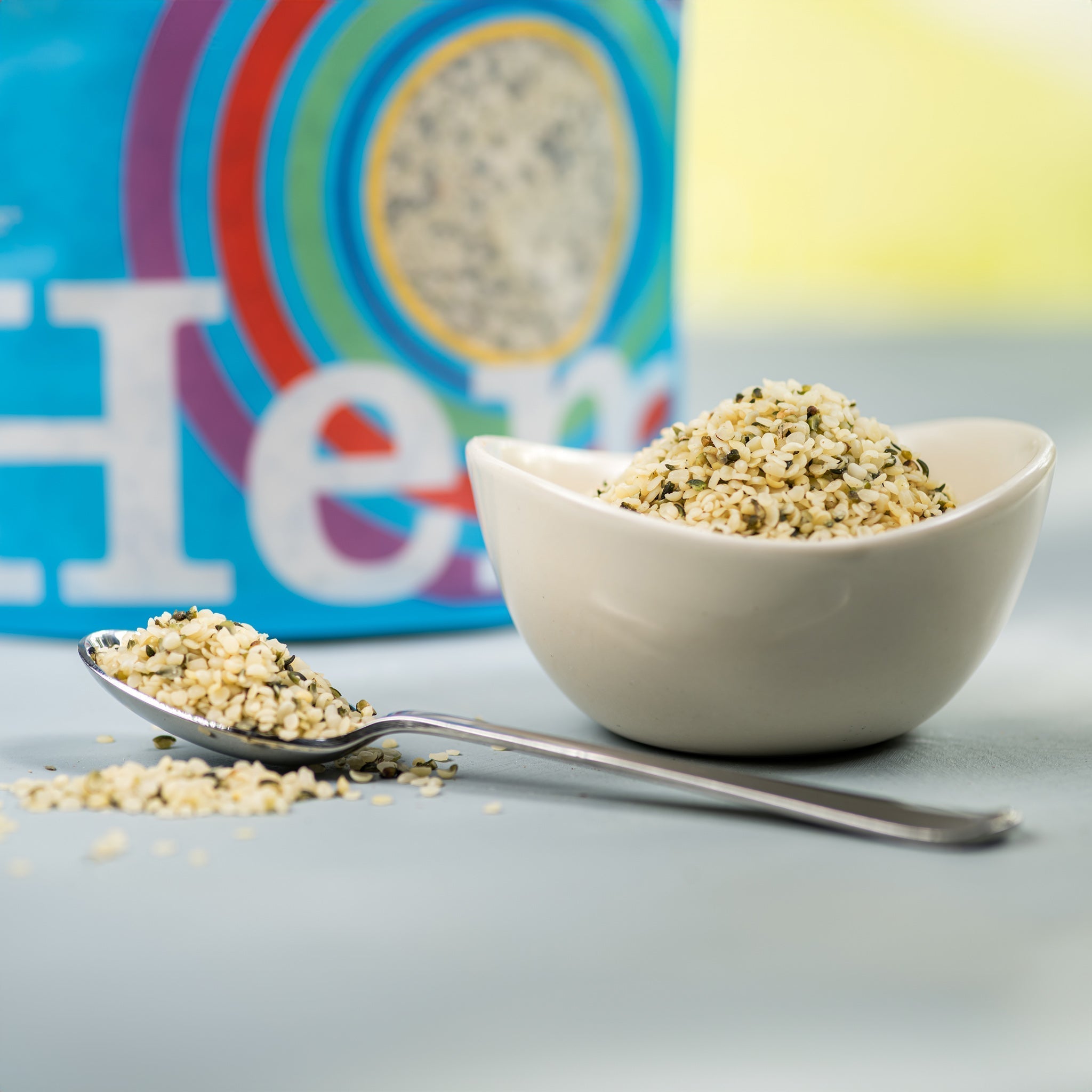
Plant-based supplements like Ahiflower provide omega-3 SDA, as well as ALA, which allows it to convert to EPA up to 4x more effectively than flax, and biosynthesise in key tissues like the brain and liver almost as much as a marine DHA source. Omega-3 ALA converts to EPA at around 5-6%, with better conversion in pre-menopausal women, those eating a plant-based diet and not supplementing with algae, whereas omega-3 SDA converts to EPA at 30-40%. Hemp contains omega-3 SDA at around 2%, though the highest known natural plant source of omega-3, Ahiflower, provides 8-10x more of this omega-3.
Algal sources provide just the long chain omegas, and are typically more skewed towards DHA. Getting enough DHA is critical, but when we take it directly (as in fish or algae), we downregulate our body's natural omega-3 metabolism pathway. Algal may be a wise choice to supplement during pregnancy, breastfeeding and in the case of traumatic brain injuries, but may be best accompanied with flax, chia or Ahiflower so that you get all the benefits of the entire family of omega-3.
Guest blog by Camilla Brinkworth, Naturopath and co-founder of PhytoLove.
❓ Frequently Asked Questions
Q: What is the difference between omega-3 and omega-6? A: Both are essential fatty acids the body cannot produce on its own, meaning they must come from food or supplementation. Omega-3 is found in foods like flax, chia and algae, while omega-6 is abundant in most modern diets - often in excess. The balance between the two matters as much as the quantity of either.
Q: What are EPA and DHA and why do they matter? A: EPA and DHA are long-chain omega-3 fatty acids considered the most biologically active forms. The body can produce them from ALA - the omega-3 found in plant foods like flax and chia - but conversion rates are low, typically around 5-6%. This is why plant-based sources with higher conversion rates, or direct algal supplementation, are worth considering.
Q: What is Ahiflower and why is it different from flax? A: Ahiflower is the highest known natural plant source of omega-3 SDA, which converts to EPA at 30-40% - up to 4x more effectively than the ALA found in flax. It also contains ALA, making it a more complete plant-based omega-3 source than flax or chia alone.
Q: Is algal oil a good vegan alternative to fish oil? A: Algal oil is the original source of the omega-3 that fish accumulate — fish are rich in DHA because they eat algae. Algal supplements provide long-chain omega-3s directly and are particularly recommended during pregnancy and breastfeeding. They tend to be more skewed towards DHA than EPA, so pairing with a plant-based ALA or SDA source gives a more balanced omega-3 profile.
Check out our top recommendations for vegan sources of essential fatty acids and browse the full range at Raw Living.


